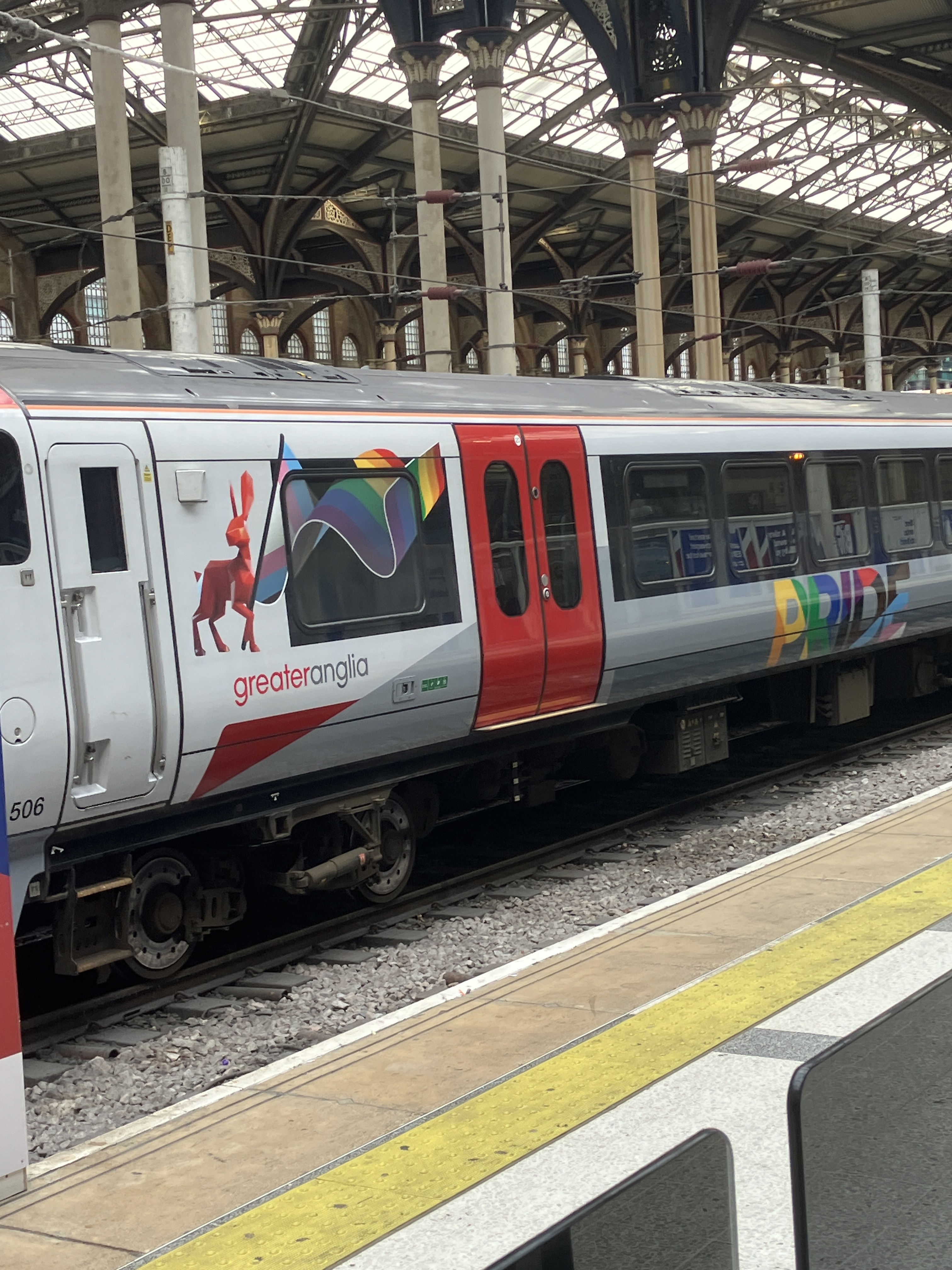
This made me wonder about how my ancestors would have travelled. My great great grandfather Frank worked for the Great Western Railway both at the Swindon depot and the Paddington depot. His occupation was coach finisher so responsible for putting the wooden trims around the doors and other places in the beautiful coaches. The Great Western Railway was founded in 1833 and some of the line was designed by Isambard Kingdom Brunel and operated from London to the South West as it still does today. Would he have travelled in the carriages he finished.
My other great great grandfather moved around the country as I talk about in my Migration throughout the UK talk and went from Northamptonshire, Essex Yorkshire as well as various places in the South of Wales before finally settling in West Yorkshire where he died.
How did he travel between these places. Did he walk, did he use a wagon or did he hitch rides with farmers and other local travellers or did the family travel by train just as I did. There would have been a third class ticket for people to travel to their destinations. This still would have been expensive as there were five of them by 1881. The train would have been very smelly and grimy due to the steam and it wasn’t until 1893 that the third class passengers were given heating so would have been very uncomfortable before then. However there would have been more lines and routes to choose from than there is today.
How Did Our Ancestors Travel? Exploring Railway Ancestors and Victorian Journeys
July seems to have become a month of travel and trains. Recently, I travelled to The Hold in Ipswich to carry out some family history research, before heading to London to spend time with family and friends. These journeys were on clean, modern and efficient trains, and during the recent heatwave I was especially grateful for the air conditioning we often take for granted today.
The experience made me wonder how my own ancestors would have travelled and what their journeys might have been like.
One of my great-great-grandfathers, Frank, worked for the Great Western Railway at both the Swindon and Paddington depots. His occupation was a coach finisher, meaning he was responsible for fitting the beautiful wooden trims around the doors and other interior features of the railway carriages.
Founded in 1833, the Great Western Railway was one of Britain's most significant railway companies. Much of its original route was designed by the renowned engineer Isambard Kingdom Brunel, connecting London with the South West—a route that is still travelled today.
As I researched my railway ancestors, I couldn't help but wonder whether Frank ever travelled in the very carriages he helped to build. Did he take pride in seeing passengers admire the craftsmanship of his work? It is questions like these that bring our ancestors to life and remind us that genealogy is about much more than names and dates.
My other great-great-grandfather had a very different story. As I discuss in my talk, Migration Throughout the UK, he moved extensively during his lifetime, living in Northamptonshire, Essex, Yorkshire and several locations across South Wales before finally settling in West Yorkshire, where he died.
His journey raises another fascinating question: how did he and his family travel between these places?
Did they walk for miles along dusty roads? Did they travel by horse and wagon, or perhaps accept lifts from local farmers and traders? Or were they able to use the rapidly expanding railway network that was transforming Victorian Britain?
By 1881, the family had grown to five children, making any journey a significant expense. Third-class railway tickets were available, but they were still costly for working families. Travelling by steam train would have been a very different experience from today. The carriages were often smoky, noisy and covered in soot from the steam engines. Third-class passengers did not benefit from heating until 1893, so winter journeys must have been particularly uncomfortable.
Despite these hardships, the Victorian railway network offered more routes and connections than many people might expect. For many families, the railway opened up opportunities for work, migration and new beginnings, changing the course of their lives forever.
One of the things I enjoy most about family history research is asking these questions. While records can tell us where our ancestors lived and worked, understanding the social history of the time allows us to imagine how they experienced everyday life.
The next time you travel by train, perhaps take a moment to think about your own ancestors. How did they make their journeys? What challenges did they face? Their stories may be closer than you think, waiting to be uncovered through genealogy and family history research.
